
- Platform
- Solutions
- Industries
- Results
-
-
Business Value
- Results & ROI
- ROI Calculator
-
- Resources
-
-
Learn
- Resources Center
-
Evaluate
- Workforce Assessment
-
Support
- Help Center
-
-
- Company
Healthcare & Clinical Teams
Clinical, administrative, operational, technical, remote, temporary, and contract employees may work across hospitals, clinics, outpatient locations, administrative offices, employee homes, regional facilities, and rotating assignments.
Every new hire, department change, facility transition, temporary assignment, device issue, replacement, or departure can create company-issued employee technology work involving onboarding, delivery, support, communication, recovery, and lifecycle activity.
Rely-IQ connects that work through one Workforce Operations model, giving HR, IT, Operations, Finance, managers, and leadership clearer visibility while existing healthcare and technical teams remain in control.
Rely-IQ focuses on company-issued employee technology, not medical devices, patient information, clinical systems, or patient-care decisions.
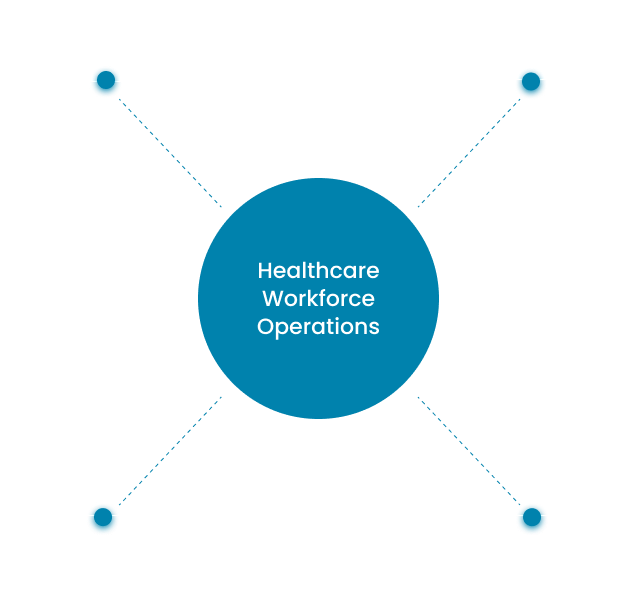
Healthcare Workforce Operations connect the company-issued employee technology, destinations, support, replacement, recovery, and lifecycle activity surrounding employees across roles, departments, facilities, and assignments.
Rely-IQ brings that work into one connected operating model. Platform Visibility helps teams understand available employee and device context, status, ownership, exceptions, and next actions. The Rely-IQ team helps coordinate approved onboarding, communication, delivery, Managed IT Services, replacement, recovery, and lifecycle activity.
Employee Readiness reflects whether the included device, destination, communication, support direction, and next actions reached their approved operational state.
Rely-IQ does not manage medical devices, patient information, clinical systems, access authority, credentials, privileges, or healthcare compliance.
Healthcare Work Happens Across Many Environments
Employee technology must remain connected to the employee’s role, department, facility, assignment, and authorized support environment.
A clinician may move between facilities. An administrative employee may work from an office or home. A contractor may begin a temporary assignment at a specific location. A replacement device may need to reach somewhere different from the employee’s original onboarding destination.
The challenge is not simply distributing or tracking a device. It is maintaining the correct employee, role, facility, device, ownership, and next-action context as circumstances change.
Healthcare employee technology becomes more manageable when the employee, device, facility, owner, and next action remain connected.
Approved devices, accessories, destinations, and support paths may differ among clinical, administrative, technical, operational, temporary, and remote employees.
Company-issued technology may need to follow employees among hospitals, clinics, offices, homes, regional locations, and temporary assignments.
Department transfers, facility moves, contract extensions, temporary assignments, and remote-work changes can affect both the employee and assigned equipment.
HR, IT, Operations, managers, application owners, security teams, vendors, and providers may each own part of the process.
Every Workforce Change Creates Operational Work
Every healthcare workforce event can change an employee’s device requirements, destination, support context, ownership, or next lifecycle action.
Connect the approved role, department, facility, device requirements, destination, timing, communication, and support direction.
Determine whether the employee’s equipment, assignment record, ownership, destination, or support requirements must change.
Update the employee, destination, device, and support context when the approved work environment changes.
Maintain visibility when the employee, device, facility, assignment, or operational owner changes.
Connect the support request with the approved replacement, destination, employee communication, and previous-device action.
Begin recovery and lifecycle activity before accountability is lost.
Recognize Where the Process Is Breaking Down
Common warning signs include late device requests, incorrect facility information, unclear support paths, outdated records, fragmented replacement activity, and unresolved recovery.
Internal teams receive urgent requests without enough time or context to coordinate the approved outcome.
Facility, assignment, office, or employee-home information changes after device activity begins.
Employees contact several teams before reaching the appropriate support resource.
Recorded roles, facilities, assignments, or device statuses no longer reflect current use.
Managers and internal teams chase updates through email, tickets, spreadsheets, carrier records, and vendor systems.
When employee-device operations are disconnected, every participating team carries part of the coordination burden.
One Operating Model Across Roles and Facilities
Healthcare organizations may already have employee records, device systems, support tickets, facility information, shipment records, identity platforms, and security controls.
The operational gap often exists among them.
Rely-IQ connects the available employee and device context, current activity, ownership, exceptions, and next actions through one Workforce Operations model.
Growth exposes the weaknesses in a process that may have worked when hiring volume was lower.
See which employee and device are involved, where the activity stands, who owns the current step, which exceptions require attention, and what must happen next.
A device record explains what the organization owns. Healthcare Workforce Operations help explain who the device supports, which environment applies, and what action is required next.
Connect the approved work created when employees join, change roles or facilities, need support, receive replacement equipment, complete assignments, or leave.
Employee Readiness reflects whether the included device, destination, communication, support direction, and next actions reached their approved operational state.
It does not confirm clinical competency, credentials, privileges, training, application access, employment readiness, HIPAA compliance, regulatory compliance, patient-care readiness, or complete job readiness.
Help each participating team understand what has happened, what remains open, who owns the next action, and which authorized resource must become involved.
Visibility matters most when it helps move an open activity toward a documented operational outcome.
The platform makes the work visible. Our team helps keep it moving.
Primary Platform Capability
Healthcare Device Lifecycle Management keeps company-issued technology connected to the current employee, role, facility, status, and next approved action.
Maintain the device relationship as roles, departments, facilities, assignments, and work environments change.

Connect support activity with the employee, current location, approved replacement, communication, and previous-device action.
Coordinate approved return activity, exceptions, receipt, and updated device status after a workforce or device transition.
Move recovered equipment toward redeployment, repair, inventory, provider return, storage, or retirement according to the organization’s approved process.
A company-issued device should remain connected to its current employee, role, facility, and next lifecycle action.
Before the Approved Role or Assignment Begins
Healthcare Employee Device Onboarding focuses on what must be coordinated before an employee or contractor begins the approved role or assignment.
Employee Device Onboarding does not confirm clinical, credentialing, access, training, employment, or complete job readiness.
Connect approved employee, manager, role, department, facility, assignment, start-date, and timing information.
Coordinate the company-issued technology and accessories defined by authorized internal teams.
Connect the approved facility, office, employee home, regional location, or other supported destination with clear employee communication.
Help the employee understand what is arriving, what remains open, what happens next, and where technology support begins.
Employee-Facing Technology Support
Employees should not need to determine which internal team, application owner, security resource, vendor, or provider owns an issue before asking for help.
Rely-IQ Managed IT Services provide a connected path for support intake, Tier 1 assistance, employee communication, authorized handoffs, device actions, and follow-through.
Give clinical, administrative, operational, technical, and remote employees an approved place to begin.
Connect the request with the employee, role, facility, assigned device, reported issue, work impact, and available support history.
When another resource is required, preserve the relevant context while the request moves toward internal IT, an application owner, security or identity teams, a vendor, a specialist, replacement, logistics, or another approved action.
Tier 1 IT Support is the gateway. Managed IT Services provide the broader path toward the appropriate support outcome.
Rely-IQ does not authorize access, administer clinical systems, make security decisions, or replace internal technical authority.
Devices Moving Across Healthcare Environments
Company-issued technology may move among hospitals, clinics, administrative offices, employee homes, regional facilities, replacement destinations, and approved return locations.
Each movement should remain connected to the employee event, approved destination, communication, ownership, and intended outcome.
Coordinate device movement when the original destination, work environment, facility, or assignment changes.
Connect the employee, reported issue, approved replacement, current destination, communication, delivery, and previous-device action.
Coordinate return activity after departures, contract completion, temporary assignments, facility changes, or replacement.
Maintain visibility until the equipment reaches its documented next lifecycle stage.
Recovery is not complete when return instructions are sent. It is complete when the device reaches its documented next lifecycle stage.
Designed to Work Alongside Your Healthcare Environment
Rely-IQ adds structure, visibility, and managed operational capacity around company-issued employee technology.
It is designed to work alongside the systems, teams, providers, and controls healthcare organizations already depend on.
Depending on the approved implementation scope:
Available integrations, workflows, and responsibilities depend on system capabilities, technical access, security approval, provider cooperation, and implementation scope.
Rely-IQ connects the company-issued employee technology operation without displacing the authorities that must remain in control.
Find the Right Starting Point
Healthcare organizations can begin with one focused service or capability and connect additional areas when a broader Workforce Operations model makes sense.

Keep company-issued devices connected through active use, support, change, replacement, recovery, and next-stage activity.

Coordinate employee, role, department, facility, approved device, destination, communication, and support direction before work begins.

Give employees a clear support entry point and connect requests with the appropriate approved resource or device action.

Maintain equipment accountability after departures, contract completion, temporary assignments, facility transitions, or replacement.

Relevant when equipment has arrived but communication, support direction, employee context, or next actions remain incomplete.

Relevant when approved employee, device, destination, or timing information arrives too late.

Relevant when internal IT repeatedly coordinates routine requests, delivery, replacement, status updates, providers, and recovery.

For distributed equipment that remains unresolved after a workforce transition.

For new facilities, growing departments, contractors, acquisitions, or hiring waves.

For delivery, replacement, and return activity across supported healthcare environments.

An optional supporting pathway for approved employee or administrative initiatives, not clinical supplies, medical products, or patient materials.
A clearer Workforce Operations model begins with understanding how clinical, administrative, operational, technical, remote, temporary, and contract employees are equipped, supported, moved, and separated across roles, departments, facilities, assignments, offices, and employee homes.
We’ll examine where information becomes outdated, employees lose the support path, managers chase updates, replacement activity becomes disconnected, recovery remains unresolved, or ownership becomes unclear.
From there, Rely-IQ can help determine whether one focused service, one platform capability, or a broader Workforce Operations model provides the appropriate next step.
The goal is to identify where Rely-IQ may add useful operational capacity, and where your healthcare, technical, security, privacy, identity, application, and compliance teams should remain in control.
Healthcare Employee-Device Operations Questions
Rely-IQ connects approved employee and contractor information with roles, facilities, company-issued devices, destinations, onboarding, Managed IT Services, replacement, recovery, and lifecycle activity. The platform provides visibility into available status, ownership, exceptions, and next actions, while the Rely-IQ team helps coordinate the approved work.
Yes. Rely-IQ can coordinate approved employee information, role and department context, device requirements, destinations, communication, delivery, and support direction across supported facilities, offices, employee homes, and other approved environments. The available process depends on organizational requirements, device availability, provider capabilities, and service scope.
Employee Readiness reflects whether the included device, destination, communication, support direction, and next actions reached their approved operational state. It does not confirm clinical competency, credentials, privileges, training, application access, employment readiness, compliance, patient-care readiness, or complete job readiness.
Managed IT Services give employees a clear place to begin when included workplace technology assistance is needed. Tier 1 IT Support provides initial assistance and context gathering, while requests requiring additional expertise, authority, replacement, or logistics move through the appropriate approved path.
Yes. Rely-IQ can connect the employee, assigned device, reported issue, current facility or destination, approved replacement, communication, delivery, and previous-device action. The exact path depends on organizational approval, device availability, provider responsibilities, supported logistics, and service scope.
Yes, when those employees are included in the approved Workforce Operations scope. Rely-IQ can coordinate onboarding, device delivery, support, assignment changes, replacement, recovery, and lifecycle activity. The organization retains responsibility for classification, credentials, privileges, scheduling, access, and clinical requirements.
Rely-IQ can coordinate transition information, device verification, communication, return activity, exceptions, receipt, assignment updates, and the approved next lifecycle stage. Recovery is complete when the equipment reaches its documented next status, not simply when return instructions are sent.
No. Rely-IQ focuses on company-issued employee technology. It does not manage medical devices, biomedical equipment, patient-monitoring technology, clinical equipment maintenance, patient-care systems, or medical-device lifecycle activity.
No. Rely-IQ does not manage patient information as part of this service and does not provide legal or regulatory compliance certification. Healthcare organizations retain responsibility for HIPAA, privacy, security, data governance, clinical requirements, and regulatory compliance.
Yes. Rely-IQ can work alongside internal IT, MSPs, security and privacy teams, identity teams, application owners, compliance teams, vendors, logistics providers, and existing workforce and technology systems. Available integrations and responsibilities depend on the approved implementation scope, technical access, security approval, system capabilities, and provider cooperation.