
- Platform
- Solutions
- Industries
- Results
-
-
Business Value
- Results & ROI
- ROI Calculator
-
- Resources
-
-
Learn
- Resources Center
-
Evaluate
- Workforce Assessment
-
Support
- Help Center
-
-
- Company
Distributed & Remote Workforces
Employees may work across headquarters, regional offices, homes, coworking spaces, and other approved distributed environments.
Every remote start, hybrid-work change, employee relocation, device issue, replacement, contractor completion, or departure can create company-issued employee technology work involving delivery, communication, support, recovery, and lifecycle activity.
When that work is divided among HR, IT, Operations, managers, carriers, providers, and separate systems, distance creates more handoffs, exceptions, and unresolved next actions.
Rely-IQ connects that work through one Workforce Operations model, helping internal teams maintain clearer visibility across locations and workforce changes.
Rely-IQ supports company-issued employee technology. It does not support personal devices, manage home internet, monitor employee activity, or determine complete remote-work readiness.
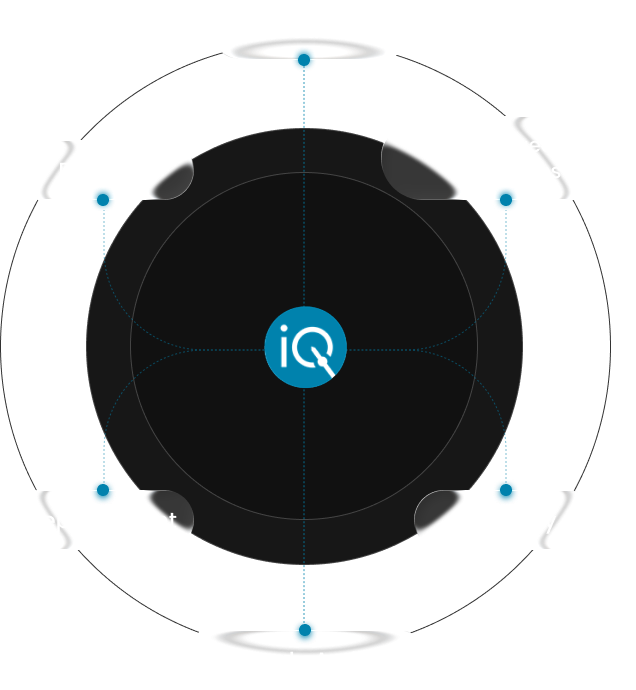
Distributed Workforce Operations connect the company-issued employee technology, approved destinations, communication, support, replacement, recovery, and lifecycle activity surrounding employees who work across locations.
Platform Visibility helps teams understand available employee and device context, current destination, status, ownership, exceptions, and next actions. The Rely-IQ team helps coordinate approved onboarding, delivery, Managed IT Services, replacement, recovery, and lifecycle activity.
Employee Readiness reflects whether the included device, destination, communication, support direction, and next actions reached their approved operational state.
Rely-IQ does not manage personal devices, home internet, employee monitoring, identity authority, application access, cybersecurity operations, or complete remote-work readiness.
Distance Changes More Than the Delivery Address
Distributed work does not simply change where employees work. It changes where company-issued technology must go, how support reaches the employee, how ownership remains visible, and how equipment comes back.
An employee may begin from home, move into a hybrid arrangement, relocate, or temporarily work from another approved location. The destination connected to a device request may change after onboarding or delivery activity has begun.
Employees working away from onsite IT also need clear communication about what is arriving, what remains open, and where technology support begins.
The challenge is not simply shipping or tracking equipment. The employee-device operating model must travel with the employee across distance without losing the destination, support path, owner, recovery status, or next action.
An employee’s approved office, home, coworking environment, or temporary location may change during active employment.
Remote and hybrid employees need a clear support path without understanding the organization’s complete technical structure.
Employee, device, shipment, support, and recovery information may exist in separate records and platforms.
HR, IT, Operations, managers, carriers, vendors, application owners, and providers may each hold part of the context required to move the work forward.
Distance creates operational gaps when the employee, device, destination, support path, and next action do not move together.
Every Location and Workforce Change Creates Operational Work
Every distributed workforce event can change an employee’s approved device requirements, destination, communication, support context, ownership, or next lifecycle action.
Connect the approved employee, role, manager, device requirements, destination, timing, communication, and support direction before work begins.
Update the approved destination and determine whether delivery, support, recovery, or device records must change.
Connect the employee and assigned device with the new approved environment.
Determine whether equipment, ownership, communication, support direction, or current records must be updated.
Connect the issue with the employee’s current destination, approved replacement, incoming delivery, and outgoing-device action.
Begin device verification, communication, return activity, recovery, assignment updates, and next-stage documentation before accountability is lost.
Recognize Where Distance Is Creating Operational Gaps
Common warning signs include outdated destinations, unclear support paths, disconnected delivery status, incomplete replacement activity, manual status chasing, and unresolved recovery.

The recorded address or work environment no longer matches where the employee is approved to receive equipment.
Remote employees contact managers, HR, IT, application owners, vendors, or several providers before reaching the appropriate resource.
A shipment may show as delivered while communication, support direction, confirmation, or another approved onboarding action remains open.
A new device reaches the employee, but the previous equipment remains active, unreturned, or disconnected from the replacement event.
Teams check email, tickets, carrier portals, device systems, spreadsheets, and vendor records to understand one employee-device event.
Equipment remains distributed after a contractor completes an assignment or an employee leaves.
When distance separates the employee, device, internal teams, and next action, every participant carries part of the coordination burden.
One Operating Model Across Distance
Distributed employers may already have employee records, device systems, support tickets, shipment information, endpoint tools, identity platforms, and asset records. The operational gap often exists among them.
Understand which employee and device are involved, which destination applies, where the activity stands, who owns the current action, and what must happen next.
A shipment record explains where a package traveled. A device record explains what the organization owns. Distributed Workforce Operations help explain who the device supports, where it belongs, what is happening now, and what action is required next.

Workforce Enablement connects approved employee-technology activity created when employees join, relocate, change environments, need support, receive replacements, complete contracts, or leave.
The Rely-IQ team helps coordinate that work among employees, internal teams, authorized providers, vendors, carriers, and supported destinations.
Employee Readiness reflects whether the included device, destination, communication, support direction, and next actions reached their approved operational state.
It does not confirm home-internet reliability, workspace readiness, identity approval, application access, security authorization, productivity, attendance, employee monitoring, training completion, or complete remote-work readiness.
Help participants understand what happened, what remains open, who owns the next action, and which authorized resource must become involved.
Distributed employers do not need another isolated employee, device, ticket, or shipment record. They need the employee, destination, device, support path, recovery status, and next action to remain connected across distance.
The platform makes the work visible. Our team helps keep it moving.
Device Movement Across Distributed Work Environments
Distributed-workforce logistics involve more than sending equipment to an address.
Every device movement should remain connected to the employee, workforce event, approved destination, communication, ownership, exceptions, and intended operational outcome.
Rely-IQ can help coordinate approved device movement among offices, employee homes, coworking spaces, temporary locations, replacement destinations, and approved return locations.
When an employee relocates or changes work environments, the employee and device context should remain attached to delivery or return activity. The same applies when replacement equipment is sent and the previous device must be returned.
Available shipment changes depend on timing, organizational approval, carrier and provider capabilities, supported destinations, device availability, and service scope.
Distributed-workforce logistics become more manageable when every device movement remains connected to the employee event and intended operational outcome.
Before a Distributed Employee Begins Work
Distributed Employee Device Onboarding focuses on what must be coordinated before a remote or hybrid employee begins the approved role.
Connect approved information about the employee, role, manager, department, start date, device requirements, accessories, destination, communication, and support direction.
When start dates or locations change, onboarding activity should adjust without losing the context already gathered.
Device delivery alone does not confirm Employee Readiness.
Communication, support direction, visible open actions, and the approved operational outcome may still remain incomplete.
Rely-IQ does not independently define technical standards, authorize application access, create identities, manage home internet, or confirm complete remote-work readiness.
A Clear Support Path Without Onsite IT
Employees working away from onsite IT should not need to understand the organization’s complete technical structure before asking for assistance.
Rely-IQ Managed IT Services provide a connected path for support intake, Tier 1 assistance, employee communication, authorized handoffs, device actions, and follow-through.
The request can remain connected to the employee, work environment, assigned device, reported issue, and available support history.
When another resource is required, the relevant context can move toward internal IT, an application owner, a security or identity team, a vendor, a specialist, a current MSP, replacement, logistics, or another approved device action.
Tier 1 IT Support is the gateway. Managed IT Services provide the broader path toward the appropriate support outcome.
Rely-IQ does not support personal devices, manage home networks, authorize access, administer identities, operate cybersecurity systems, or replace advanced technical authority.
A company-issued device may move through several employees, roles, environments, support events, replacements, and lifecycle stages.
Device Lifecycle Management keeps the equipment connected to the employee, current work environment, operational status, and next approved action.
When an employee relocates or changes work arrangements, the assigned device and current destination should remain connected. When support or replacement is required, the incoming and outgoing equipment should remain part of the same operational story.
When a contractor completes an assignment or employment ends, distributed recovery may involve device verification, employee communication, approved return activity, shipment exceptions, receipt, assignment updates, and next-stage documentation.
Recovered equipment may move toward redeployment, repair, inventory, provider return, storage, replacement review, or retirement according to the organization’s approved process.
A company-issued device should remain connected to the employee, current work environment, and next lifecycle action.
Recovery is not complete when return instructions are sent. It is complete when the device reaches its documented next lifecycle stage.
Designed to Work Alongside Your Existing Teams and Systems
Distributed employers already depend on workforce systems, technical platforms, internal teams, security controls, carriers, vendors, and service providers.
Rely-IQ adds structure, visibility, and managed operational capacity around approved company-issued employee technology.
Depending on the approved implementation scope:
Available integrations and responsibilities depend on system capabilities, technical access, security approval, provider cooperation, destination support, and implementation scope.
Rely-IQ connects company-issued employee technology work across employees, internal teams, systems, providers, and distributed environments without displacing the authorities and personal responsibilities that must remain in control.
Find the Right Starting Point
Organizations can begin with one focused service or capability and connect additional areas when a broader Workforce Operations model makes sense.

Keep device movement connected across remote starts, employee relocations, environment changes, replacements, and approved returns.

Coordinate approved employee, device, destination, communication, delivery, and support information before distributed work begins.

Keep equipment connected through active use, location changes, support, replacement, recovery, and next-stage activity.

Give distributed employees a clear support gateway and connect requests with the appropriate approved resource or device action.

Relevant when equipment has arrived but communication, support direction, destination context, or next actions remain incomplete.

Relevant when remote hiring, new locations, acquisitions, or workforce expansion increase employee-device activity.

Relevant when equipment remains distributed after departures, contractor completions, or replacements.
Relevant when internal IT repeatedly coordinates destinations, shipments, communication, support, replacement, and recovery.
Employee Device Offboarding & Recovery | Reduce Onboarding Delays | Security, Compliance & Integrations | New Hire & Team Swag Kits
A clearer Workforce Operations model begins with understanding how employees and contractors are equipped, supported, moved, replaced, and separated across approved distributed environments.
We’ll identify where destinations become outdated, delivery and onboarding status disconnect, support paths remain unclear, managers chase updates, replacements leave previous devices unresolved, recovery requires repeated follow-up, or ownership is difficult to determine.
From there, Rely-IQ can help assess whether one focused service, a primary platform capability, or a broader Workforce Operations model provides the appropriate next step.
The goal is to identify where Rely-IQ may add useful operational capacity, and where employees, internal teams, providers, and authorized systems should remain in control.
Distributed and Remote Workforce Questions
Rely-IQ connects approved employee information with company-issued devices, destinations, onboarding, delivery, Managed IT Services, replacement, recovery, and lifecycle activity. Platform Visibility helps show available status, ownership, exceptions, and next actions, while the Rely-IQ team helps coordinate the approved operational work across distributed environments.
Yes. Rely-IQ can coordinate approved employee, role, device, destination, communication, delivery, and support information across supported distributed locations. The available process depends on organizational requirements, timing, device availability, provider capabilities, destination support, and service scope.
Rely-IQ can coordinate approved device movement to supported offices, employee homes, coworking environments, temporary locations, and other approved destinations. Available delivery options depend on location, timing, organizational approval, carrier and provider capabilities, device availability, and the approved Multi-Location Logistics scope.
Rely-IQ can help connect the updated approved destination with the employee, assigned device, communication, support context, delivery or return activity, and next action. The organization remains responsible for approving the work arrangement, destination, policy requirements, and related employment or tax considerations.
Managed IT Services give employees a clear place to begin. Tier 1 IT Support provides initial assistance and context gathering, while requests requiring additional expertise, authority, application ownership, replacement, logistics, or another approved device action move through the appropriate path.
Yes. Rely-IQ can connect the employee, assigned device, reported issue, approved replacement, current destination, communication, delivery, and previous-device action. The exact process depends on organizational approval, device availability, provider responsibilities, supported logistics, destination, and service scope.
Rely-IQ can coordinate transition information, device verification, communication, approved return activity, shipment exceptions, receipt, assignment updates, and the next lifecycle stage. Recovery is complete when the equipment reaches its documented next status, not simply when return instructions are sent.
No. Rely-IQ focuses on approved company-issued employee technology. It does not support personal devices, manage employee home internet or personal networks, monitor employee activity, track productivity, administer attendance policies, or determine whether an employee’s complete home-work environment is ready.
Yes. Rely-IQ can work alongside internal IT, current MSPs, HR and Operations teams, security and identity teams, application owners, carriers, vendors, logistics providers, and existing workforce and technology systems. Available integrations and responsibilities depend on implementation scope, technical access, security approval, system capabilities, and provider cooperation.